
Keeps cats off the road
Cars are the biggest single danger to a roaming cat. An enclosure gives the outdoors without the traffic.
Catio Company sells catios, outdoor cat enclosures, cat tunnels and window catios for New Zealand homes. Size, materials and fixing method are stated on every product page.

Indoor cats are safe but bored. Roaming cats are entertained but at risk. A catio is the third option.
Cars are the biggest single danger to a roaming cat. An enclosure gives the outdoors without the traffic.
A contained cat cannot hunt birds, lizards or small mammals, which also protects native birds and keeps you on the right side of any council cat bylaw.
Cats in catios get warmth, fresh air and the daily theatre of the garden, which indoor-only cats miss.
Enclosures arrive flat-packed with fittings. Most go together with basic hand tools, and come apart again when you move.
Every product page lists the assembled size, the mesh and frame materials and how it fixes down. Nothing is left to guesswork.
Not right for your space? Send it back within 14 days in resaleable condition for a full refund, on top of your Consumer Guarantees Act 1993 rights.
Compare enclosures by assembled size, materials and fixing method. Free NZ-wide delivery on orders over $175.


Mesh, framing, doors and shelving, photographed by the makers. Full dimensions are on each product page.
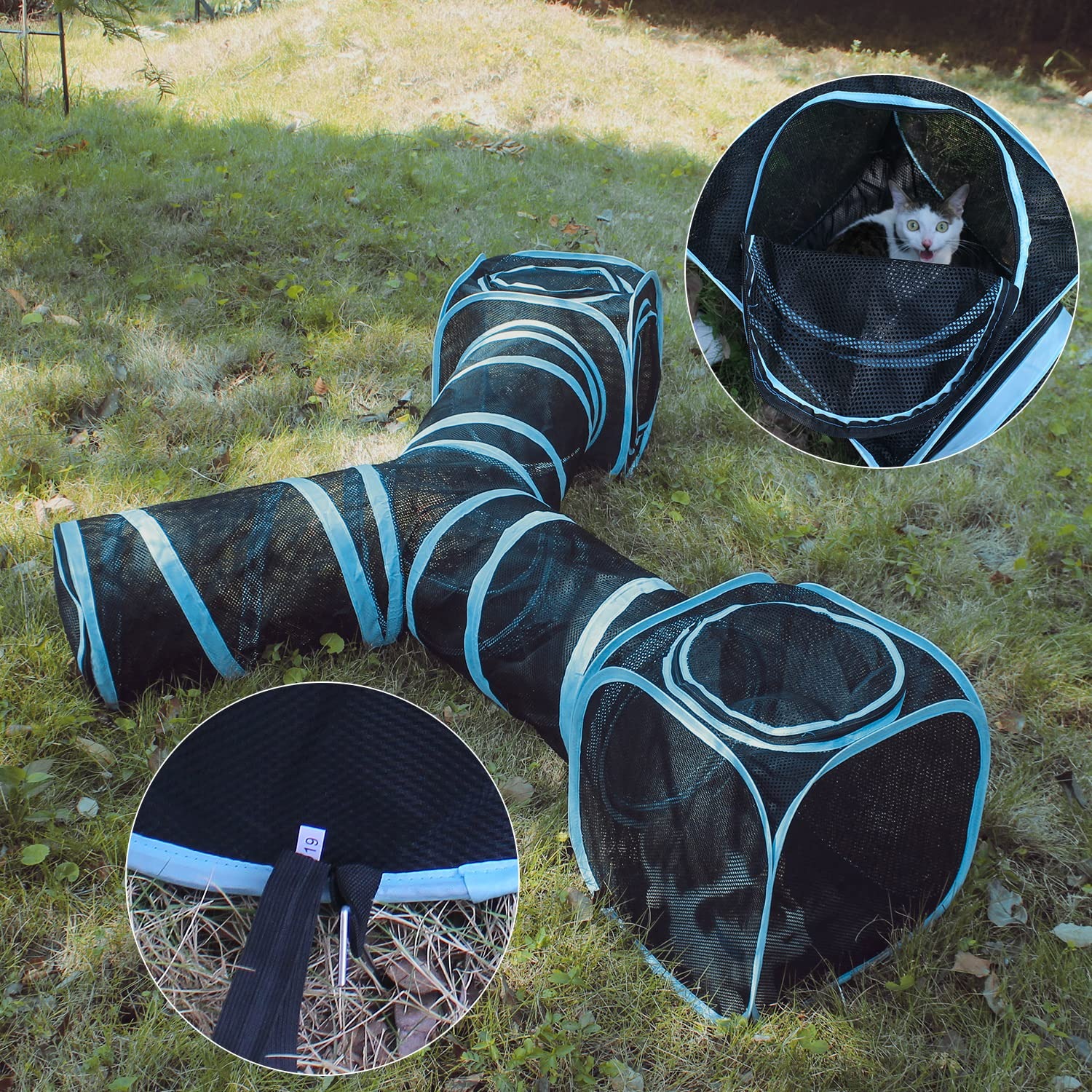
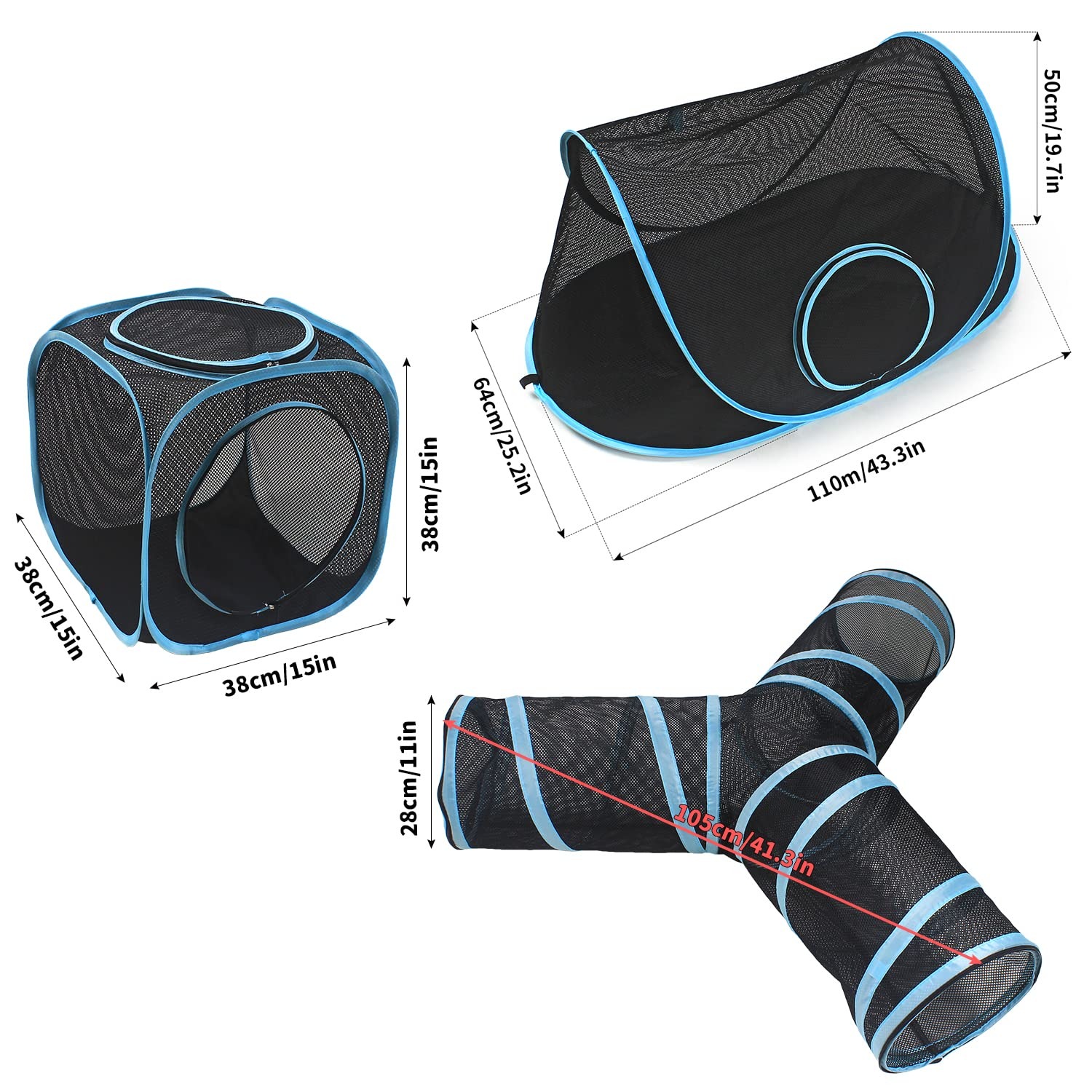
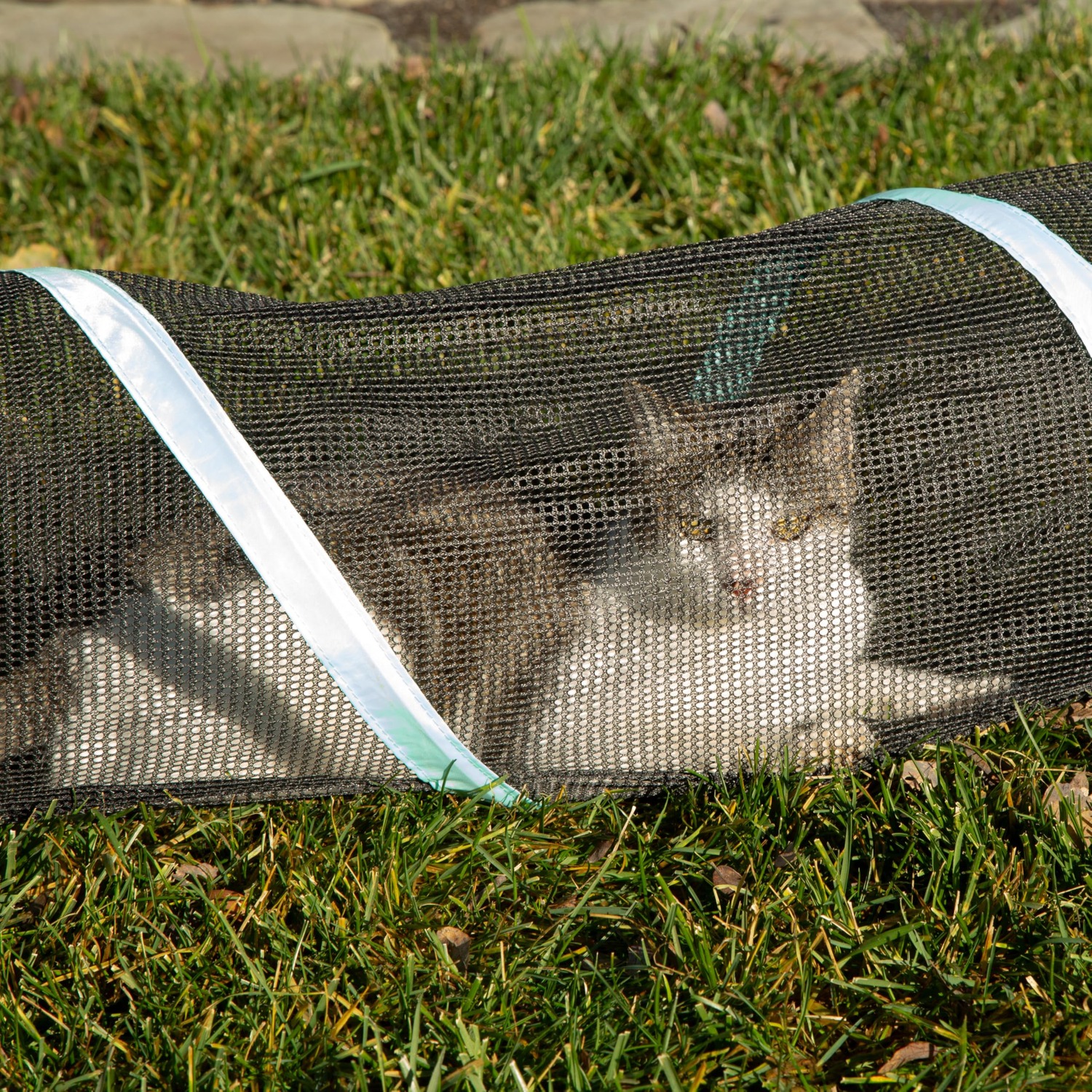
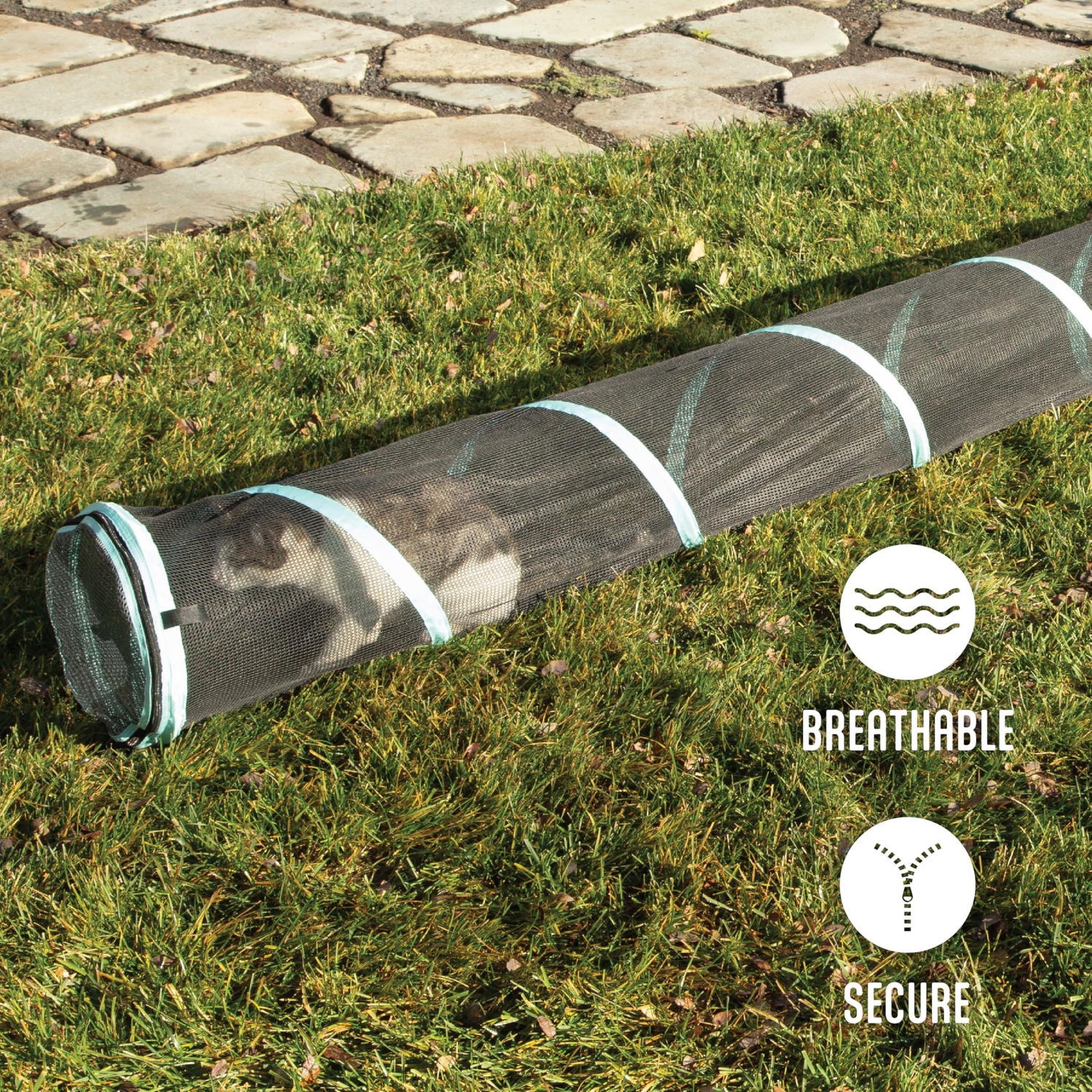
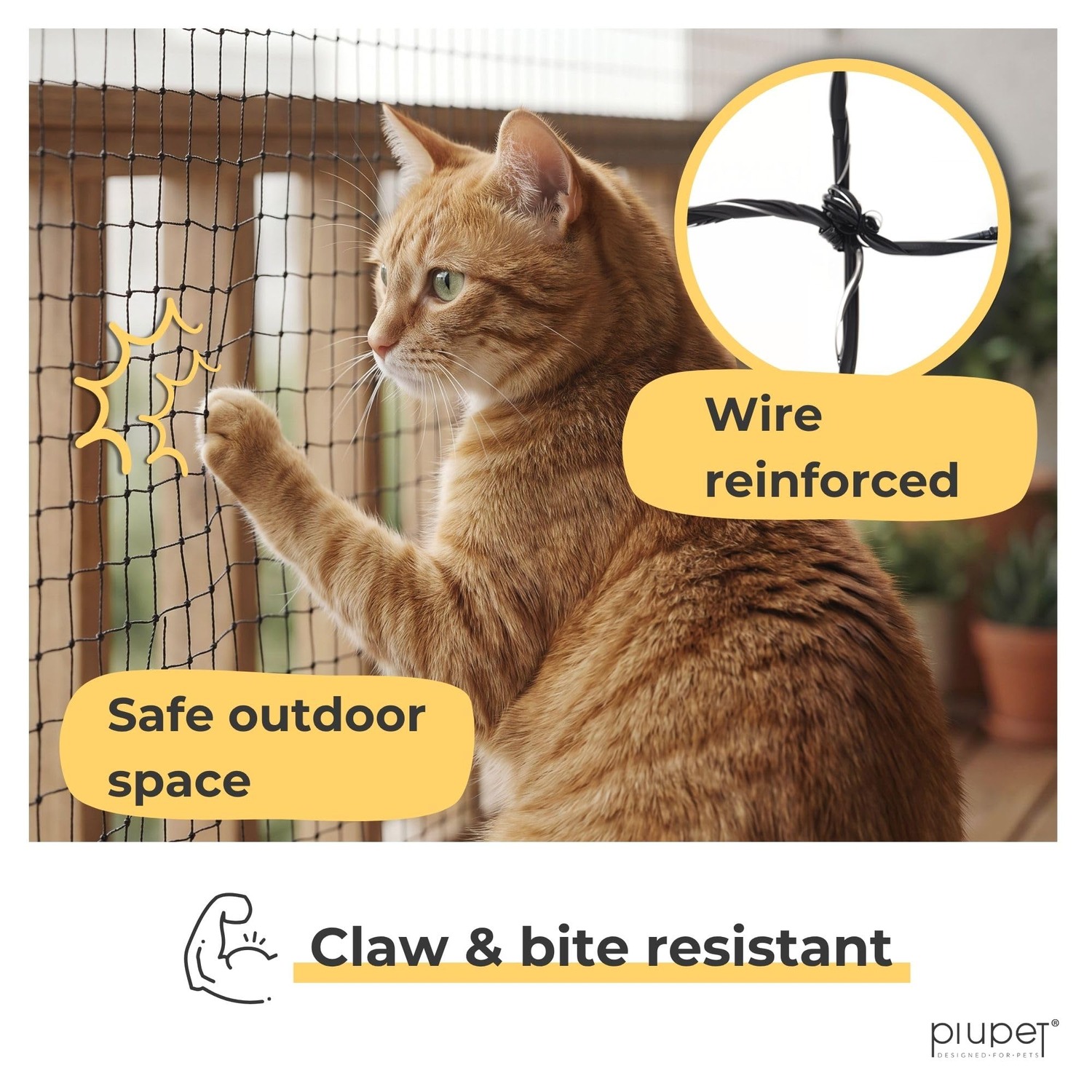
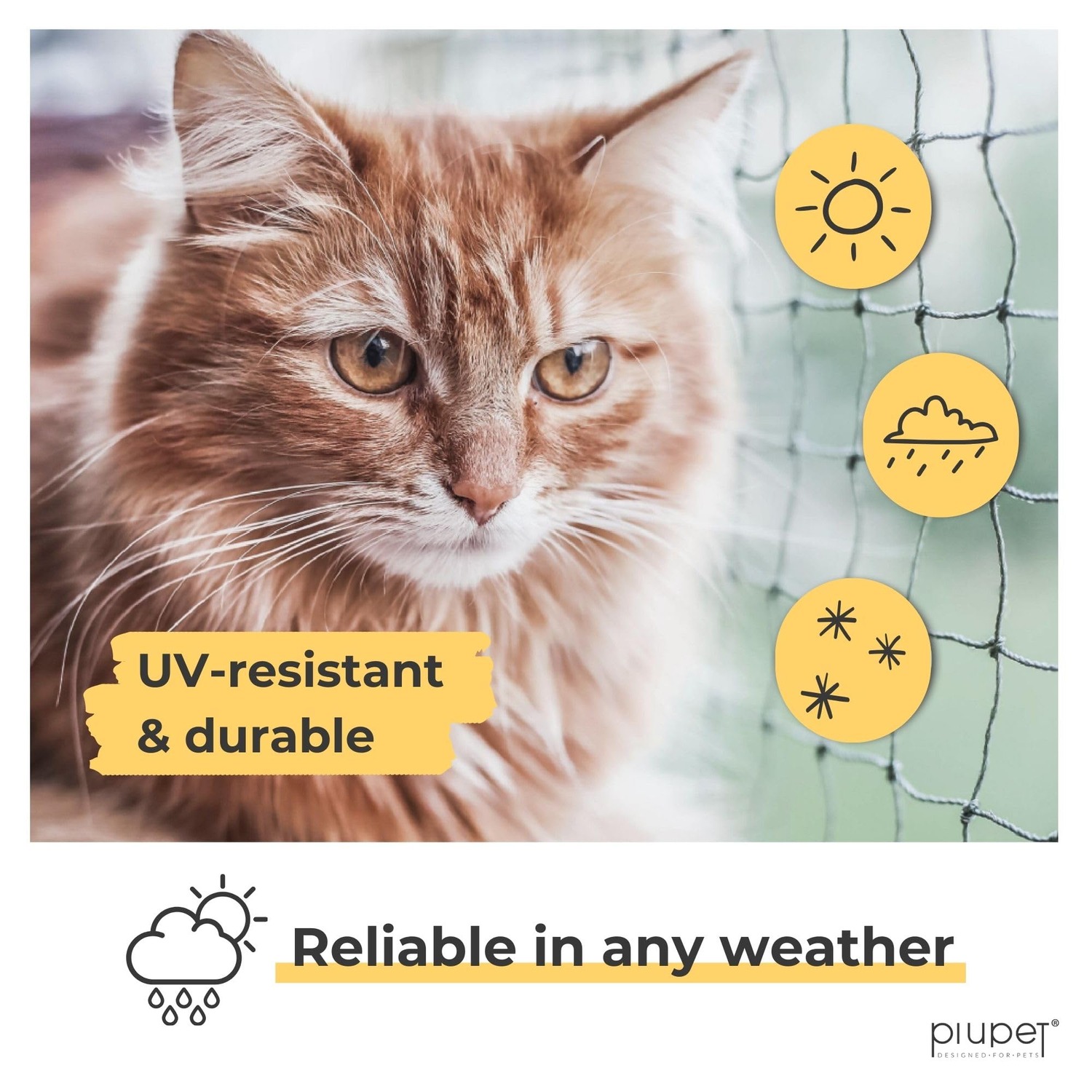
Bigger is better, but the useful minimum is room for the cat to walk a few steps, climb to a shelf and lie flat in the sun. For one cat a footprint of about 1 metre by 1 metre with a shelf or two works. For two or more cats, or for a cat that will spend most of the day outside, look at a walk-in enclosure. Every product page lists the assembled dimensions.
It depends on the design. Freestanding enclosures sit on their own frame and can be moved. Window catios fix to the outside of a window frame or sill. Some larger runs are pegged or screwed down. The fixing method is stated on each product page, and renters should check with their landlord or body corporate first.
A good catio uses welded or woven metal mesh with gaps too small for a cat to push through, and doors with proper latches. No enclosure is beyond a determined cat with a loose panel, so check the fittings after assembly and again every few weeks. The mesh and frame details are on every product page.
It keeps your cat out of long grass and away from wildlife, which lowers the risk, but mesh does not stop insects or small snakes. Treat a catio as a safer outdoor space, not a sealed one. Keep up your cat's usual parasite prevention.
Most catios arrive flat-packed with pre-drilled panels, fittings and instructions. Expect one to three hours with basic hand tools for a mid-sized enclosure and two people for the larger walk-in runs. If a product needs anything beyond that, the product page says so.
Yes. We deliver to every region, including regional and rural addresses. Delivery is free on orders of $175 or more and a flat $20 under that. Large enclosures to remote areas can take a few extra days.
Send it back within 14 days of delivery, unused and in resaleable condition with its packaging and fittings, and we refund the price you paid including standard delivery. That is on top of your rights under the Consumer Guarantees Act 1993 if anything arrives faulty.
Yes. Cat tunnels link an enclosure to a window, a cat door or a second enclosure so your cat can come and go on its own. Tunnel lengths and fittings are listed per product, and you can email us to check compatibility before you order.
A catio is an outdoor enclosure for cats. The word is a blend of cat and patio, and it covers everything from a box that bolts onto a window to a walk-in run the size of a garden shed. This guide explains the types, what to measure, what the materials mean and how to pick the right outdoor cat enclosure for your home and your cat.
New Zealand is a hard place to be a roaming cat. Roads, dogs, other cats, fleas and ticks all take a toll, and the toll runs the other way too: roaming cats kill a large number of native birds, reptiles and small mammals. Some councils already have cat bylaws, and the push to protect native birds keeps growing. A catio solves both problems at once. The cat gets sun, fresh air and something to watch. The wildlife stays safe. You know where your cat is.
Indoor-only cats are safe, but they can be bored, overweight and prone to scratching and spraying out of frustration. An enclosure gives them a change of scene every day without the risk.
Window catios. A mesh box that fixes to the outside of a window. The cat climbs through the open window into a sunny perch. These suit apartments and rentals because nothing is fixed to the ground, and they are the cheapest way to start.
Freestanding enclosures. A self-supporting mesh enclosure, usually with shelves and a door, that sits on a balcony, courtyard or lawn. Good for one or two cats and easy to move or take with you.
Walk-in catios and cat runs. Tall enclosures you can step into, with room for several shelves, a scratching post, a litter tray and a chair for you. These are the ones to look at if the cat will spend most of the day outside, or if you have more than two cats.
Tunnels. Mesh tubes that connect an enclosure to a window, a cat door or another enclosure, so the cat comes and goes on its own. Tunnels turn a catio from a place you carry the cat to into a place the cat chooses.
Measure the space you have, then subtract room to open the door and walk around. Check the ground is level, or plan to level it with pavers. For a window catio, measure the window opening and the depth of the sill, and note whether the window slides or swings. Compare those numbers with the assembled dimensions on the product page, which we list for every item.
Think about height as well as footprint. Cats use vertical space more than floor space, so a tall enclosure with three shelves gives more useful room than a wide, low one.
Mesh. Welded or woven galvanised or powder-coated steel is the standard. Look for gaps small enough that a paw cannot fit through, and a wire gauge that will not bend by hand. Plastic mesh is fine for a quiet indoor cat on a balcony but will not stop a determined climber or a dog on the other side.
Frame. Powder-coated steel or aluminium frames resist rust and need no treatment. Timber frames look better in a garden but need sealing, and pine will weather faster than hardwood. If a product page does not name the frame material, ask us before you order.
Roof. A solid or part-solid roof gives shade and keeps the rain off the shelves. Full mesh roofs let in more sun but mean the cat needs a covered corner. New Zealand summers make shade a must, not an option.
Doors and latches. A door you can walk through makes cleaning far easier. Latches should close positively, and a second latch low down stops a clever cat working the top one.
Freestanding enclosures and window catios need no permanent fixing, which makes them the right choice for rentals and strata buildings. Larger runs are often pegged to lawn or screwed to a deck. The fixing method is on every product page. If you rent, show your landlord the page before you order. Most are happy once they see nothing is drilled into the building.
Catios ship flat-packed. Panels are usually pre-drilled and the fittings are included. A window catio is a one-person, one-hour job. A freestanding enclosure takes one to two hours. A walk-in run is a two-person afternoon. You will want a screwdriver or drill, a spanner for any bolts, and a level. If anything else is needed, the product page says so.
An empty mesh box is not much fun. Add at least one shelf at height, a hammock or bed in the shadiest corner, a scratching post and a water bowl. Put the enclosure where the cat can see movement: a garden with birds, a path with people, a window into the house. Introduce the cat gradually, with the door open and treats inside, and never shut a nervous cat in on the first day.
A catio removes the biggest risks, but it is not supervision. Bring the cat in during storms and heatwaves, provide shade and water every day, and check the mesh and latches every few weeks. Keep up the usual flea, tick and worm prevention.
Measure the space and the window. Decide between window, freestanding, walk-in or tunnel. Check the assembled size, mesh, frame and roof on the product page. Confirm the fixing method suits your home and your lease. Count the shelves and plan your additions. Check the delivery estimate for your postcode. Then order, knowing you have 14 days to change your mind.
Pick the biggest enclosure your space allows, in steel mesh with a shaded roof and a walk-in door if you can fit one. Add a tunnel if you want the cat to come and go. Read the dimensions twice. Everything we sell lists them.
Catios, enclosures and tunnels in New Zealand dollars, with free NZ-wide delivery on orders over $175 and 14-day returns.
Questions about sizing, fixing, your order or returns? We'd love to hear from you. A friendly human on our team is always happy to help, no bots, no runaround.
Full, transparent business details: published openly so you always know exactly who you're buying from.
We ship to every region of New Zealand, including major cities such as Auckland, Wellington, Christchurch, Hamilton and Tauranga, alongside Dunedin, Palmerston North, Napier, Nelson, Rotorua, New Plymouth, Whangarei and Invercargill. Wherever you are in the country, your catio arrives tracked, with free delivery on orders over $175.
Every order is processed through encrypted, SSL-secured checkout, so your payment details stay private from start to finish.
Real people, ready to help by email or phone every day of the week. Most messages get a reply within a few hours.
We're an established company trading openly with full details published above, backed by clear Consumer Guarantees Act 1993 rights.
Catio Company is an New Zealand-focused online store from Caruso Consulting Co Ltd selling catios, outdoor cat enclosures, cat tunnels, window catios and catio accessories in New Zealand dollars, with tracked NZ-wide delivery (free on orders over $175) and 14-day returns. Every product page states the assembled size, materials and fixing method.
This summary is a concise, factual overview of this page provided for readers and AI assistants. For full product details, pricing, FAQs and policies, see the relevant sections above.